Trunk Speakers and Trade Binders: A Field Guide to the Last Straw Parking Lot
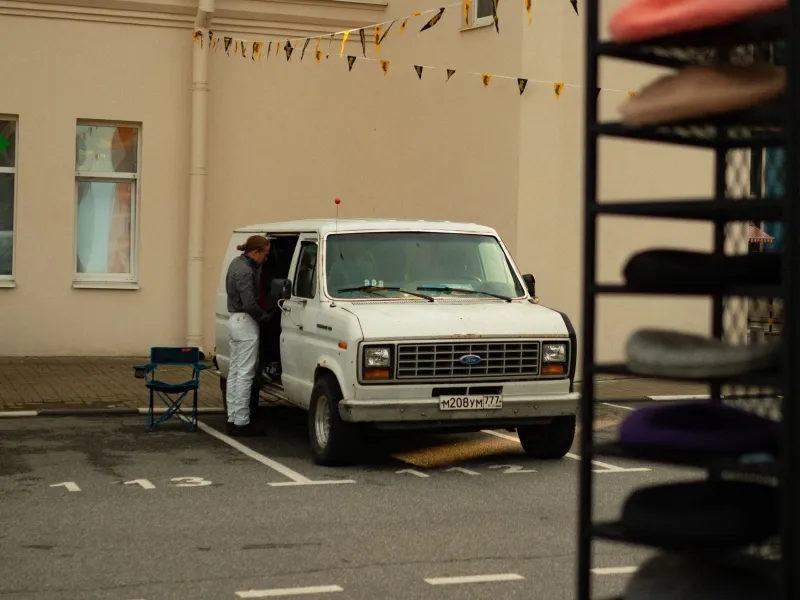
Doors open at 7. Soundcheck wraps by 5. But on the 2026 Last Straw tour, the real call time has been closer to noon — not for the band, and not for the crew, but for the fans who treat a concrete rectangle as the first stage of the night. The parking lot has become its own venue: trunk speakers propped on coolers, folding tables covered in friendship bracelets, chalkboard setlist predictions taped to hatchbacks, and a low-grade hum of people who have done this before and are happy to show the new folks how.
The Lot Before the Lights
At a recent stop outside Chicago, the scene had the shape of a neighborhood block party that happened to be wearing Last Straw shirts. A minivan with its rear gate open had become a de facto charging station — phone cables snaking out of a power strip, a portable speaker balanced on a Rubbermaid bin. Two spots over, a group of friends had laid out a blanket and a binder of bracelets sorted by color, with a handwritten sign that read “Trade, don’t sell.” Nobody was in charge. Everybody was kind of in charge.
That’s the thing about this scene: it’s fan-run, not band-run. The band hasn’t staged it, branded it, or sold tickets to it. It grew because the shows sell out, the parking lots fill early, and people would rather hang out with strangers who know the deep cuts than sit in traffic. The 2026 run has only made it more visible — more states, more lots, more people hauling pop-up chairs out of trunks before the sun gets serious.
The Etiquette Is the Whole Thing
Ask a regular what keeps these tailgates from turning into a mess, and you’ll hear the same handful of rules. They’re not posted anywhere. They’re just understood.
Don’t block the lane. Leave room for venue staff, late arrivals, and the occasional confused rideshare. Clean up before you leave. The lots that stay friendly are the ones that don’t leave a carpet of cans for someone else. Share the speaker, not the volume. There’s a window before soundcheck when a trunk stereo is a gift; after that, it’s a nuisance. Trade bracelets, don’t scalp them. The bracelet table in Nashville had a strict one-for-one honor system and a jar of spare string for anyone who showed up empty-handed.
And then there’s the big one: don’t make it weird for the venue. Tailgates work because they stay low-key. When they don’t — when someone tries to turn a parking spot into a ticketed event or a merch booth — the whole thing gets a little colder.
“We’re not trying to be a festival,” said Dana, a Columbus regular who has been tailgating Last Straw shows since the band was playing clubs. “We’re trying to kill three hours and make some friends. That’s it. If you bring a grill, bring enough for the people next to you.”
Meet the Regulars
Dana’s setup is a case study in efficiency: a folding table, a battery-powered speaker, a laminated setlist prediction sheet, and a cooler stocked with LaCroix and string cheese. She started tailgating because she kept arriving too early and getting bored. Now she arrives early on purpose.
In Phoenix, Marcus runs what he calls the “solar corner” — a small panel, a deep-cycle battery, and a speaker that has survived three tours. He doesn’t play Last Straw before the show. He plays the bands that Last Straw covers in soundcheck, a wink for the people who know. “It’s a little puzzle,” he said. “If you get it, you get it.”
And in Nashville, the bracelet table has become a landmark. It started with two friends and a shoebox of embroidery floss. By the 2026 stop, it had a binder, a color-coded chart, and a rotating crew of volunteers who teach first-timers how to make a chevron. Nobody’s making money. They’re making a line.
How the Band Noticed
Quietly, mostly. A crew member walked the lot before load-in at a few stops this year, chatting with fans and taking notes. The merch table started stocking a small run of official bracelet-making kits — not advertised, just there. At one show, the soundcheck included a few bars of a fan-favorite deep cut that had been circulating on a tailgate prediction board earlier that afternoon. Coincidence? Maybe. But the lot noticed.
“They don’t have to acknowledge it,” Dana said. “The fact that they don’t shut it down is the acknowledgment.”
The Ranking: Most Creative Setups of 2026
We walked a lot of asphalt this year. Here are the setups that stuck with us.
- The Vinyl Loveseat (Cleveland) — A portable turntable, a small couch, and a crate of records. The host played one side of a Last Straw LP, then flipped to a soul record, then took requests. It was the most civilized tailgate we’ve ever seen.
- The Setlist Shrine (Chicago) — A chalkboard wall where fans wrote their dream setlists in different colors. By 6 p.m., it looked like a conspiracy board. By 7, it looked like a prophecy.
- The Solar Corner (Phoenix) — Marcus’s panel-and-battery rig. No generator noise, no fumes, just a speaker and a shade umbrella. Practical and weirdly elegant.
- The Bracelet Barter Blanket (Nashville) — A blanket, a binder, and a sign. The most organized thing in the lot. Also the most wholesome.
- The Trunk Diner (Denver) — A camp stove, a griddle, and a stack of tortillas. The host made quesadillas for anyone who asked. He ran out of cheese by 5:30 and seemed genuinely sorry about it.
Why It Works
The parking lot isn’t the show. It’s the warm-up. It’s the place where the anticipation has somewhere to go, where strangers become seatmates, where the band’s music gets passed around like a casserole. The 2026 tour has been long and loud, but the lot has been the quiet constant — a low-stakes, high-warmth opening act that nobody booked and everybody plays.
If you’re heading to a show this year, bring a chair, bring something to share, and leave the lot better than you found it. That’s the whole rulebook. The rest is just parking.


